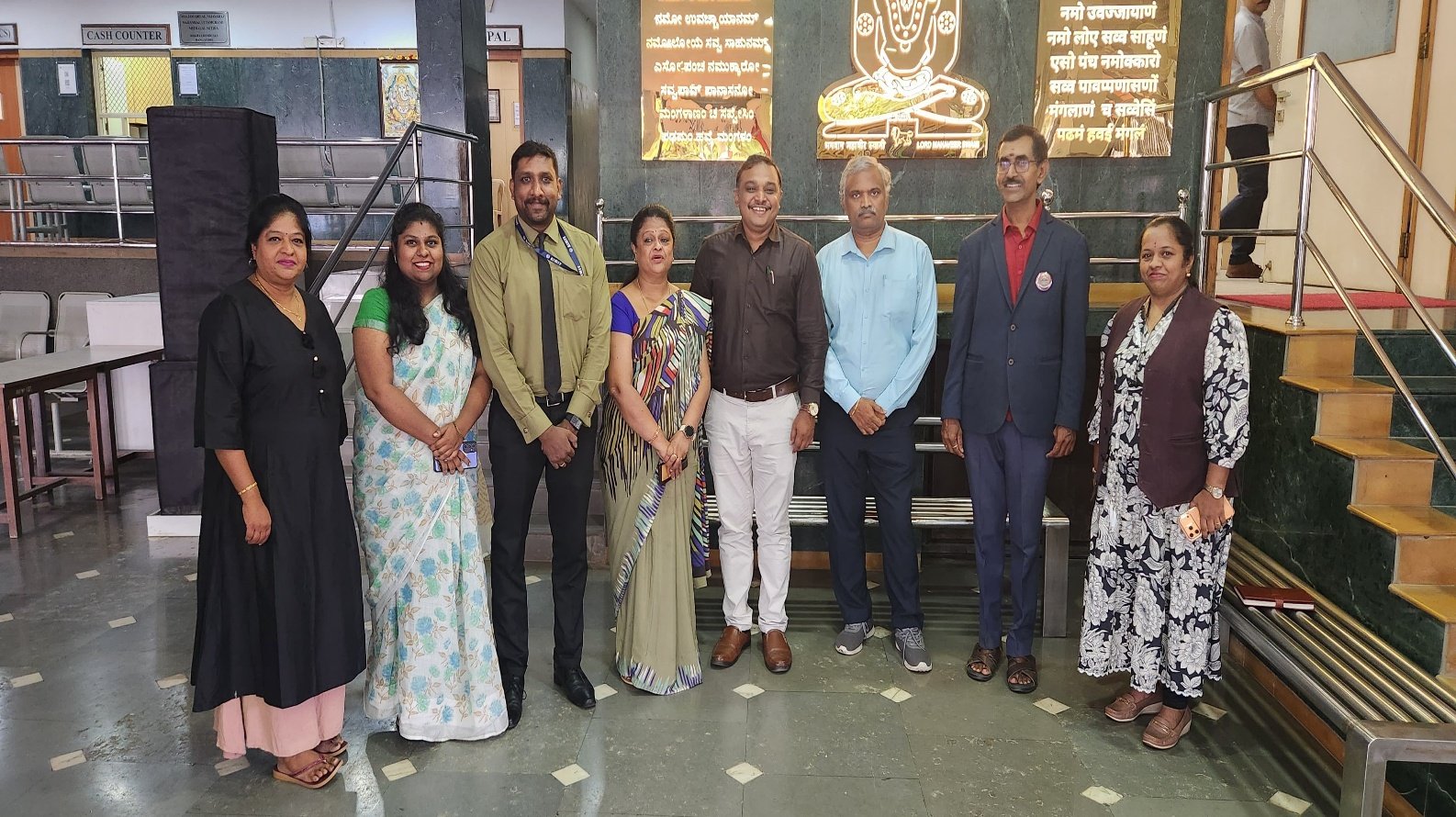
The ISO Audit 2026 was conducted at Adarsh Institute of Management & Information Technology (AIMIT) to review the implementation and effectiveness of the institution’s established academic and administrative processes.
The audit team reviewed relevant documents, records, procedures, and supporting evidence associated with the identified processes. The audit covered areas including academic documentation, course files, internal examination
The ISO Audit 2026 was conducted at Adarsh Institute of Management & Information Technology (AIMIT) to review the implementation and effectiveness of the institution’s established academic and administrative processes.
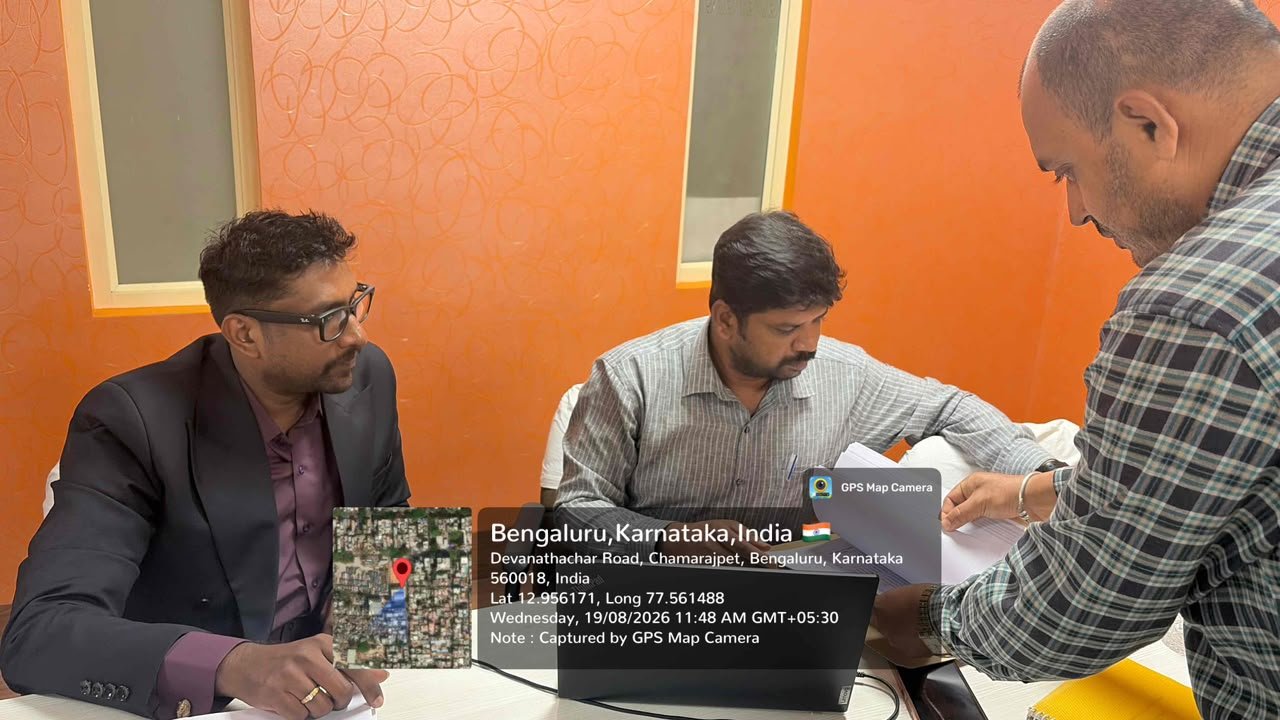
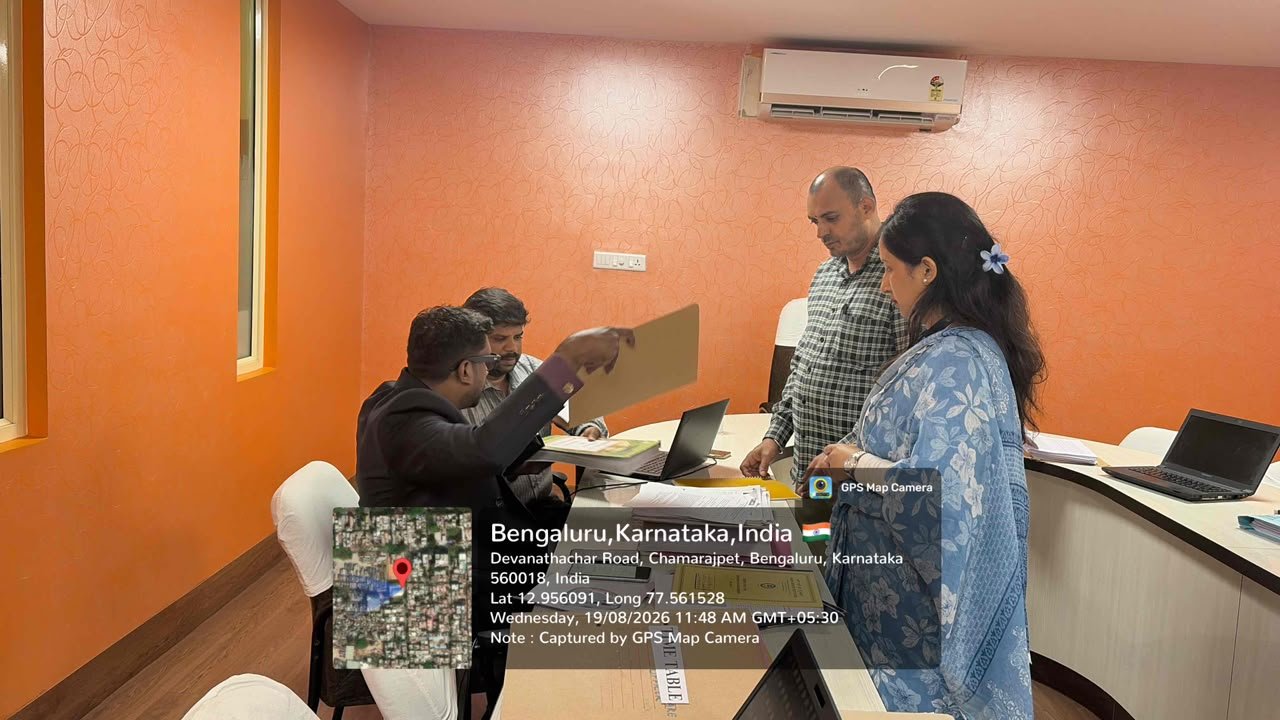
The audit team reviewed relevant documents, records, procedures, and supporting evidence associated with the identified processes. The audit covered areas including academic documentation, course files, internal examination and evaluation processes, student-related records, faculty documentation, quality assurance activities, and other applicable institutional processes.
The audit provided an opportunity to verify the conformity of existing practices with the applicable ISO requirements and institutional procedures. The concerned faculty members and staff provided the required records and clarifications during the audit. The audit team also identified observations and areas requiring attention. Wherever observations were noted, the concerned faculty members were advised to take appropriate corrective action and maintain the necessary supporting evidence. The audit served as an important mechanism for reviewing the effectiveness of institutional processes, strengthening documentation practices, ensuring compliance, and promoting continual improvement within the institution.
Objective of the Program
To assess compliance with ISO requirements and verify the implementation and effectiveness of the institution’s established processes.
To evaluate academic and administrative processes and review whether they are systematically implemented and maintained.
To verify the availability, accuracy, completeness, and maintenance of relevant documented information.
To identify non-conformities, observations, risks, and opportunities for improvement.
To review corrective and preventive actions taken in response to earlier observations, wherever applicable.
To promote continual improvement and strengthen the institution’s quality culture.
Program Outcome
Improved Process Compliance: The audit helped assess the level of compliance with established institutional and ISO-related processes.
Strengthened Documentation: The audit reinforced the importance of maintaining complete, accurate, and updated academic and administrative records.
Identification of Improvement Areas: The audit enabled the institution to identify gaps, observations, and opportunities for improvement.
Enhanced Accountability: The audit strengthened accountability among faculty members and administrative staff for timely and systematic completion of assigned processes.
Continual Improvement: The audit contributed to strengthening the institution’s quality management practices and promoting continual improvement.
Effective Corrective Action: The observations provided a structured basis for initiating and monitoring appropriate corrective actions.